While there’s currently no cure for lipoedema, several treatment options can help manage symptoms like pain, inflammation, and swelling. Management usually begins with gentle, non-invasive methods, and can progress to more advanced therapies if needed.
Exercise
Physical activity plays a big role in managing lipoedema. Swimming, walking and cycling improve mobility, boost circulation and help reduce swelling.
Exercising in water – like pool walking or using an underwater treadmill – is especially helpful because it lowers pressure on joints while encouraging lymphatic drainage. Aqua yoga is another great low-impact option, combining gentle movement with water’s natural support.
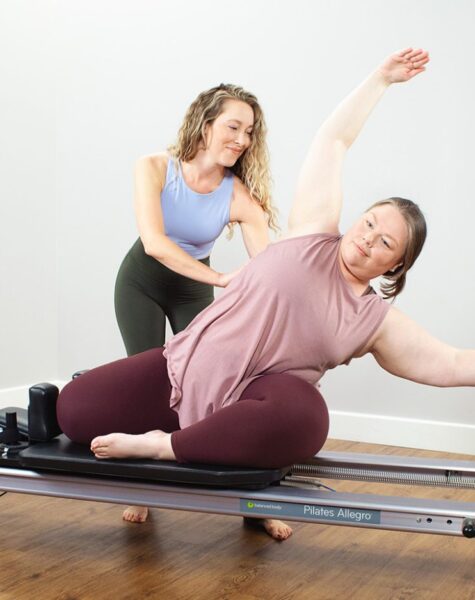
Both mat and reformer Pilates are also recommended for building strength, flexibility, and improving circulation. Reformer Pilates can be especially useful as it provides extra support and resistance.
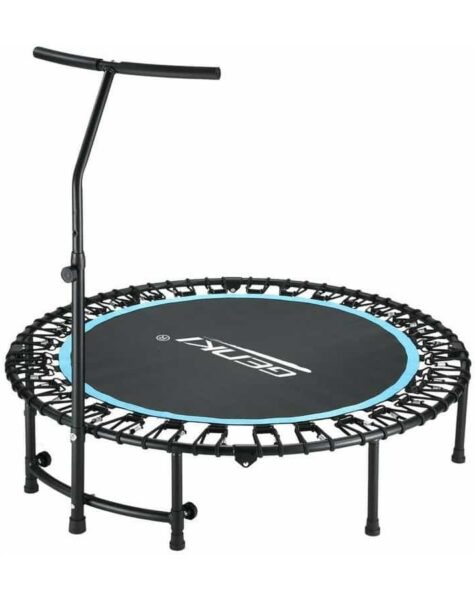
Rebounding (gentle bouncing on a mini-trampoline) may support lymphatic flow and reduce swelling and discomfort.
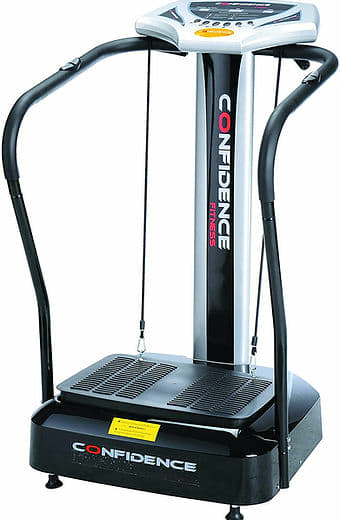
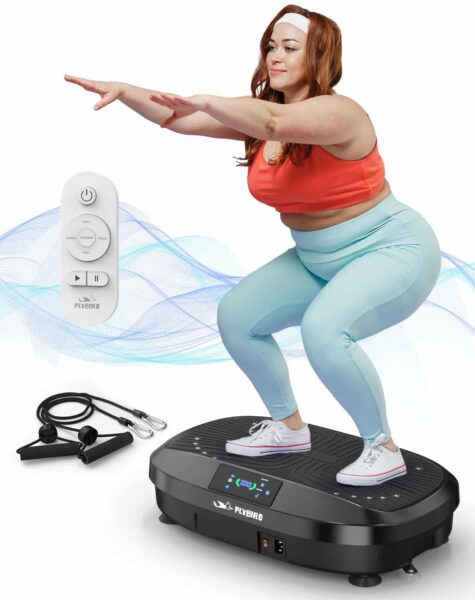
Vibration platforms are another great form of exercise for people with Lipoedema, they reduce swelling and inflammation and improve lymphatic flow.
Eating Plans
Food can play a key role in reducing inflammation. Anti-inflammatory diets – such as keto, low-carb, clean eating, vegetarian or carnivore – may help relieve symptoms, especially when started early. Low-carb and ketogenic diets in particular may help lower insulin levels and reduce blood sugar spikes, both of which are linked to inflammation in lipoedema. Avoiding processed foods is also highly recommended by most professionals.
That said, every body is different. What works best will depend on your unique needs, health history, and preferences.
Unlike typical weight gain, lipoedema fat is resistant to traditional weight loss methods. This makes standard dieting not only ineffective, but potentially harmful. Many people with lipoedema are told to “just eat less and move more,” but this outdated advice often leads to frustration, shame, and worsening symptoms.
Restrictive dieting in a lipoedema-affected body can increase cortisol (the stress hormone), which slows down the lymphatic system, increases swelling, and may make symptoms worse.
Being in a calorie deficit can also: • Raise inflammation • Disrupt hormones • Cause muscle loss • Increase the risk of disordered eating
Lipoedema doesn’t respond to “eat less, move more.” It requires a tailored, compassionate approach that supports the lymphatic system and overall well-being.
Non-Invasive Therapies
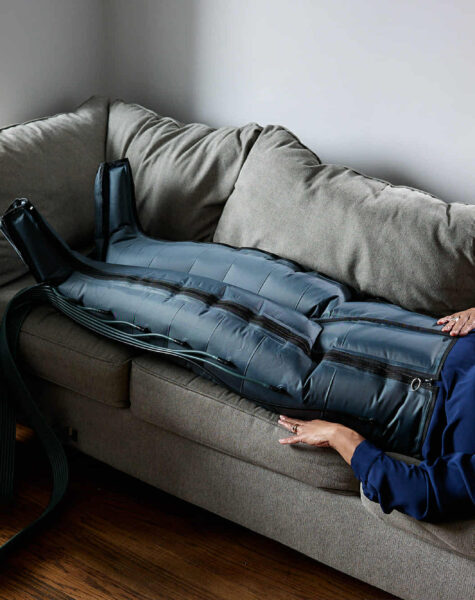
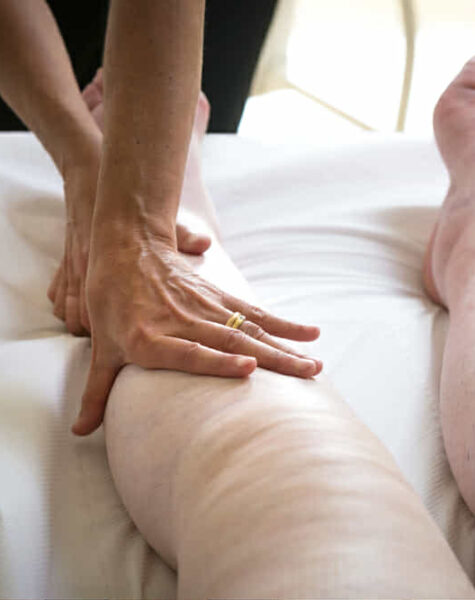
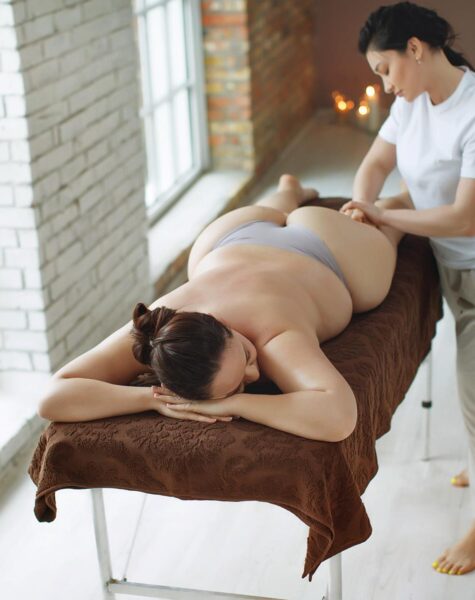
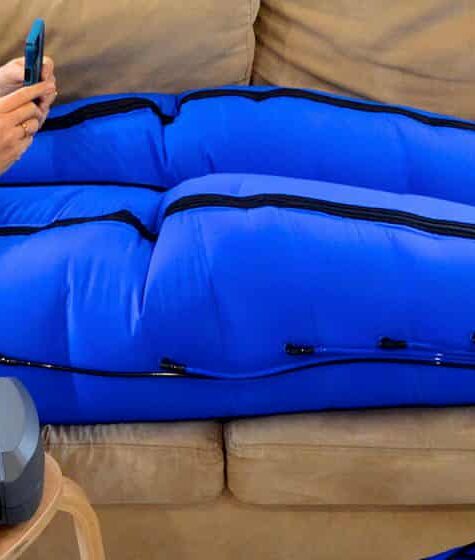
Your healthcare provider may recommend: Manual lymphatic drainage massage – a light, rhythmic massage that helps move fluid through the lymph system. Complex decongestive therapy – a combination of massage and compression bandaging. Pneumatic compression devices – wearable sleeves that apply gentle pressure to reduce swelling they help by applying rhythmic pressure to the limbs, mimicking lymphatic massage to move fluid and ease swelling.
Invasive Treatments
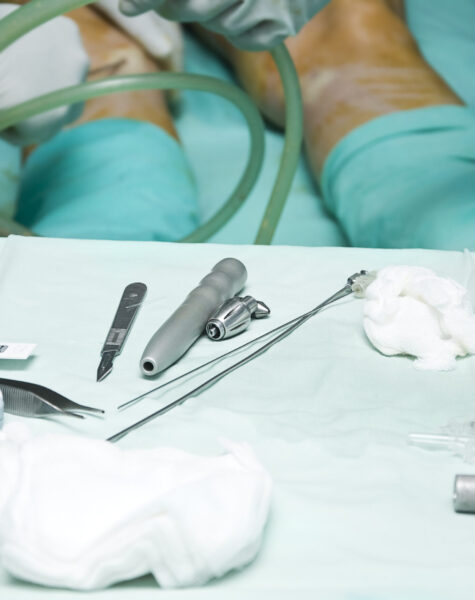
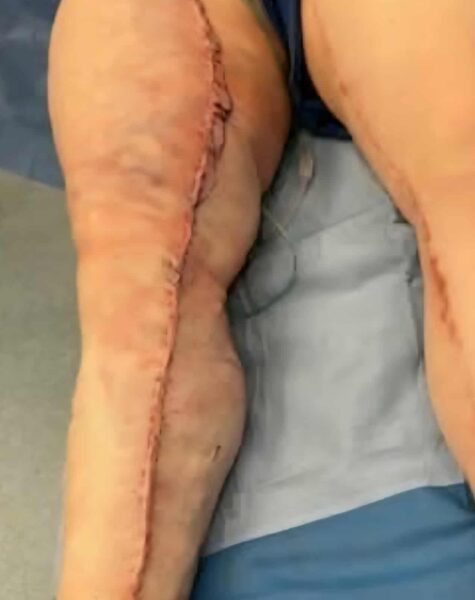
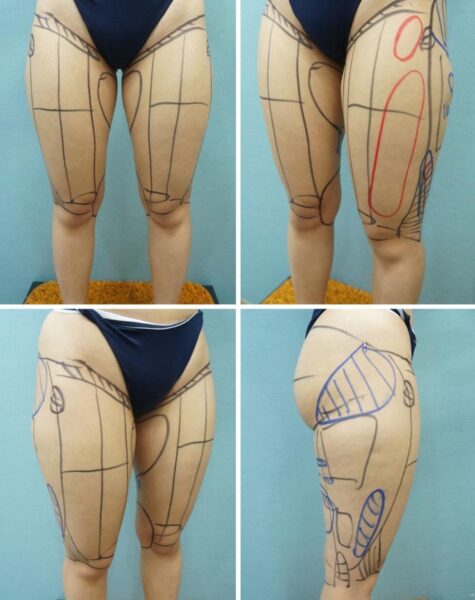
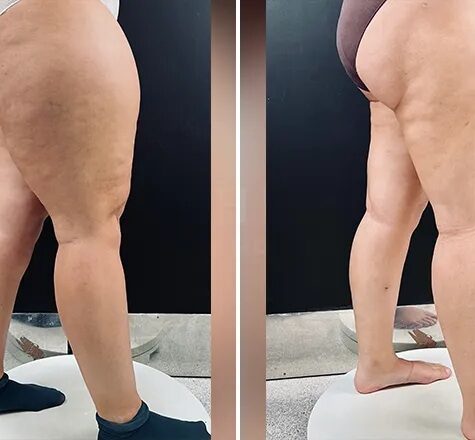
Liposuction can remove lipoedema fat, reduce pain, and improve mobility. Water-jet assisted liposuction is often recommended as it’s gentler on lymphatic vessels compared to traditional methods. Bariatric surgery may be considered if your BMI is over 35 and you have other health conditions, though it doesn’t specifically treat lipoedema fat. (Refer to fact sheet on Bariatric Surgery and Lipoedema).